



Welcome back to Codes of Culture. I’m Ashumi Sanghvi.
With Frieze Week underway in London, this week’s picks explore what happens when brands give artists and communities something to work with, not just something to look at. Chanel has opened its fabric archive to Cindy Sherman, while JW Anderson is turning its Pimlico store into a space for art, sound and making.
Elsewhere, e.l.f. is bringing beauty to head-to-toe avatar styling on ZEPETO, and Vacheron Constantin’s residency with The Met is putting heritage skills in the hands of a new generation of artists. Different worlds, but a shared thread: the archive, the product and the brand become starting points for someone else’s expression.
These are the kinds of connections we keep returning to at Future+, and the ones we’re bringing together for our 4th annual Codes of Culture summit in London this November.
Last remaining limited-release tickets for our network: Apply to attend
Scroll on for more news on our radar.

If you are new here, or want to catch up on the best of Codes of Culture, we’d recommend you start here and remember to subscribe for full access to our news, insights, podcast and global events.
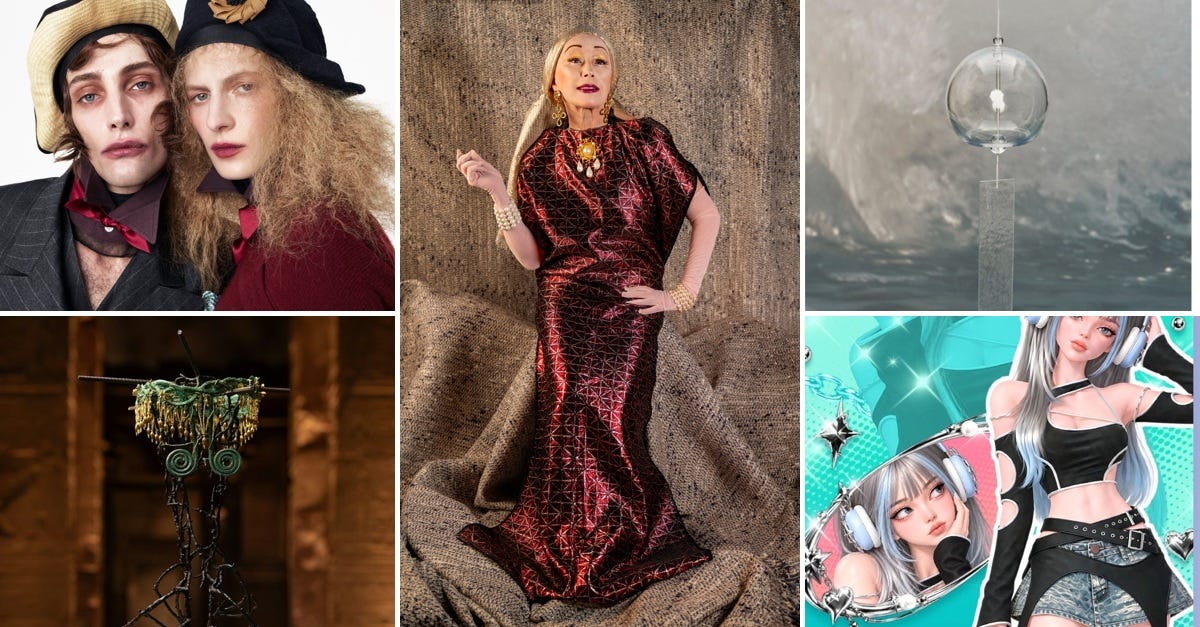
In this issue
Cindy Sherman Reworks the Chanel Archive
JW Anderson Turns Its Store Into a Frieze-Week Art Space
e.l.f. Takes Beauty Into Head-to-Toe Avatar Styling
Vacheron Constantin and The Met Put Heritage Into New Hands
John Galliano Brings His Creative Process Into Zara’s Paris Mansion
1. LUXURY & ART
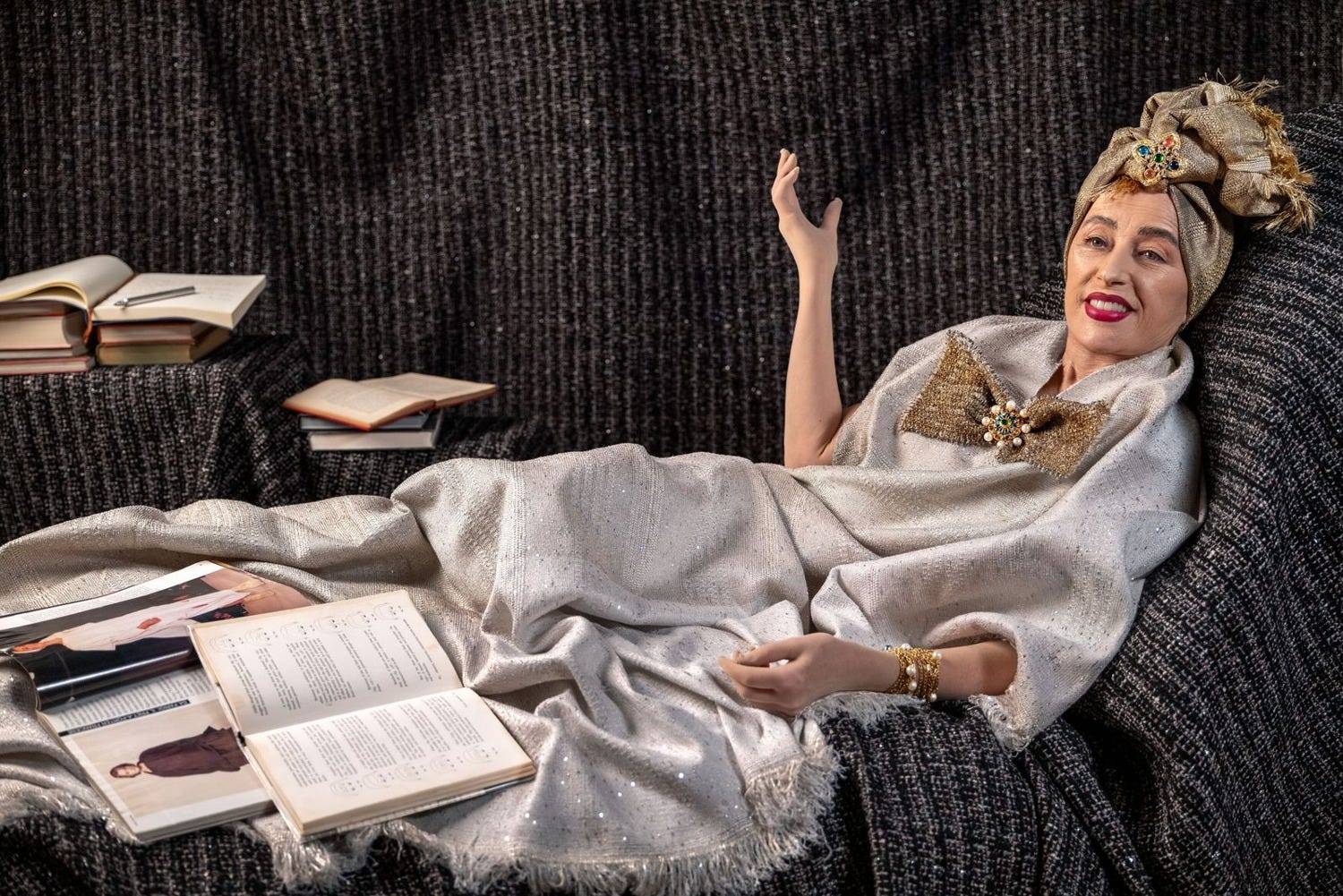
Cindy Sherman Reworks the Chanel Archive
What’s happening: Cindy Sherman’s new body of work, Fabric Matrons, uses fabrics from the Chanel archive to create portraits that question how fashion represents women and ageing. For her London exhibition at Hauser & Wirth, Chanel Patrimoine gave Sherman materials and the freedom to cut, drape and pin them into costumes and backdrops. The resulting characters play with wealth, glamour and the pressure to appear younger. Images also appear in the second volume of Chanel’s Arts & Culture magazine.
TLDR:
Sherman’s new portraits use fabrics from Chanel's archive.
The materials shape both the characters' clothes and their surroundings.
The work questions the gap between celebrating older women and disguising their age.
The London exhibition runs until 23 December.
Why it matters: An archive can do more than repeat a house’s familiar codes. Here, Chanel is giving an artist room to question some of the ideas fashion itself helps create. The raw edges and pinned fabrics leave the construction visible. That makes the collaboration feel less like a polished brand portrait and more like a conversation about who gets represented, and on whose terms.
2. FASHION & CULTURE
JW Anderson Turns Its Store Into a Frieze-Week Art Space
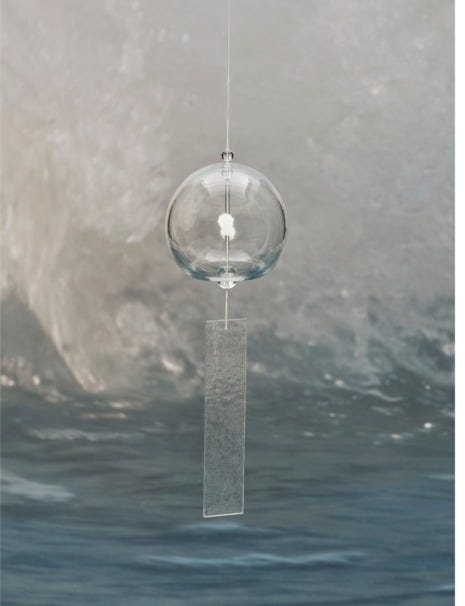
What’s happening: JW Anderson’s Pimlico flagship will host A Composition, an exhibition centred on 30 wind chimes Cerith Wyn Evans created for the brand. Open to the public from 15-20 October, the show brings together the artist’s work with ceramics by Akiko Hirai, paintings by Mary Stephenson, and sculptures by Shawanda Corbett. Presented with American Express, it also includes a preview for Platinum cardmembers on 14 October.
TLDR:
Cerith Wyn Evans has created 30 wind chimes for JW Anderson.
The exhibition is held in the brand’s Pimlico store during Frieze week.
Other artists’ and makers’ works are displayed alongside the commission.
The public opening runs from 15 to 20 October.
Why it matters: The store becomes a place to spend time with a brand’s creative world without the experience being entirely about shopping. Anderson’s interest in artists and makers has long been part of the label. Bringing those relationships into the shop gives that interest a physical form, and gives people a reason to visit that isn’t a new collection or a purchase.

3. BEAUTY & DIGITAL IDENTITY
e.l.f. Takes Beauty Into Head-to-Toe Avatar Styling
What’s happening: e.l.f. Cosmetics has launched Express your e.l.f. on ZEPETO, extending its beauty products into full avatar looks. The virtual styling experience uses the Power Grip range as a starting point for make-up, hairstyles, bags, jewellery and effects inspired by its colours and textures. It follows the brand’s work on Roblox and Twitch, taking it into another space where its community plays and experiments with identity.
TLDR:
e.l.f.'s first ZEPETO styling experience is now live.
Power Grip inspires complete looks, from make-up to accessories.
Users can create and express themselves through e.l.f.-designed avatar styling.
The launch builds on its presence across Roblox and Twitch.
Why it matters: Beauty’s role in digital worlds is moving beyond trying a lipstick shade on a face. A product’s colour and texture can become part of an entire identity. For e.l.f., that means showing up where people are already creating and playing, rather than asking them to step into a separate branded shopping experience. The interesting question is how that freedom to experiment carries back into discovery and loyalty outside the platform.
4. LUXURY & CRAFT
Vacheron Constantin and The Met Put Heritage Into New Hands
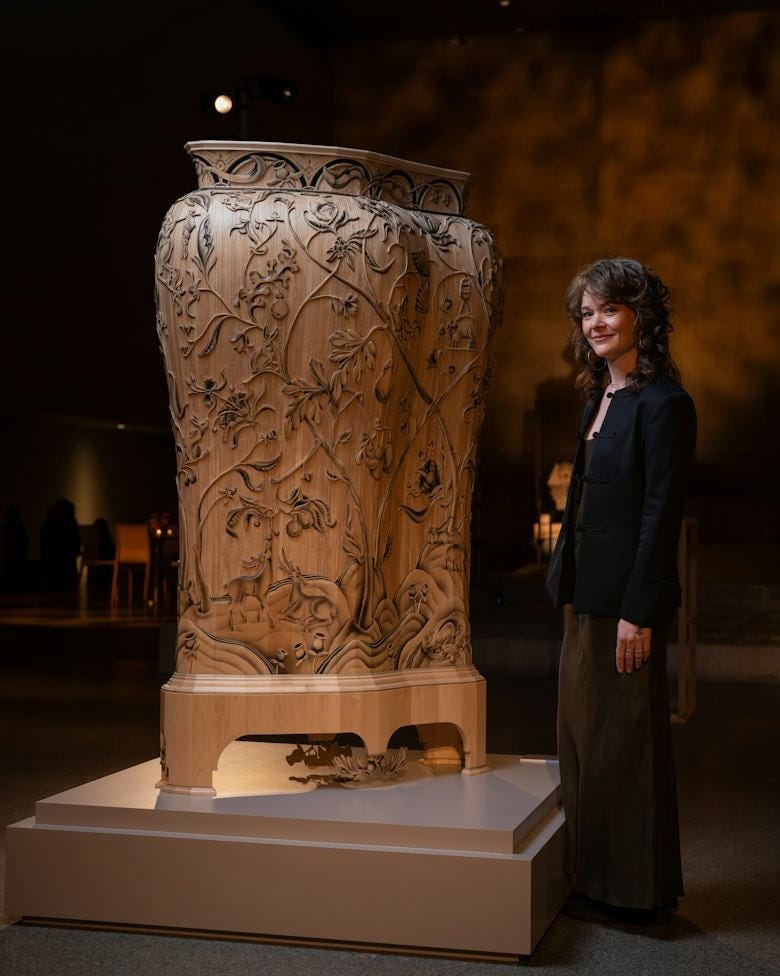
What’s happening: Newly reported results from Vacheron Constantin and The Met’s Artisan Residency show how traditional skills can feed new work. Unveiled in New York in September, the creations include Aspen Golann’s carved wooden Vessel, Ibrahim Said’s ceramic structure drawing on Egyptian and Islamic motifs, and Joy Harvey’s bronze coronet combining traditional goldsmithing with methods such as 3D scanning. The artists spent 18 months drawing on the museum's collections and the watchmaker’s craft knowledge.
TLDR:
Three artists have presented work developed through the Artisan Residency.
The programme connects museum collections with Vacheron Constantin’s craft expertise.
The results span woodcarving, ceramics and jewellery.
Joy Harvey’s coronet brings traditional techniques together with 3D scanning.
Why it matters: Heritage stays useful when people can do something new with it. This partnership invests in the time and access artists need to develop their own practice, rather than asking them to produce an interpretation of a luxury product. It reminds us that cultural partnerships can leave something behind beyond a campaign: skills, working relationships, and ideas that continue after the unveiling.
5. FASHION & RETAIL
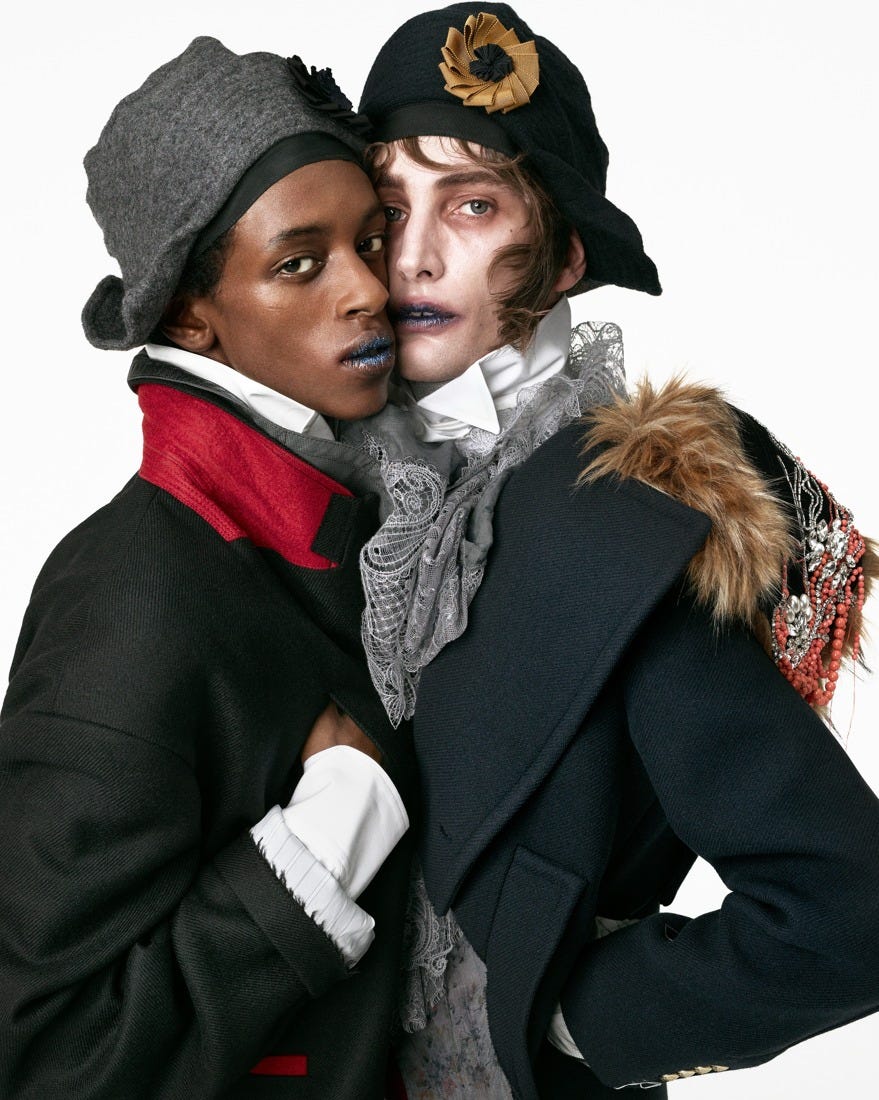
John Galliano Brings His Creative Process Into Zara's Paris Mansion
What’s happening: Zara introduced John Galliano’s first Re{form} collection through an appointment-only Paris pop-up that put his research and working methods on show. Visitors moved through rooms filled with objects from his personal collection, historical references and footage of garments being developed. The clothes began with pieces from Zara's archive, deconstructed and reconfigured into new designs. Only after that journey did visitors reach the collection itself, presented in rooms arranged like a couture salon.
TLDR:
Zara presented the first Re{form} collection in a historic Marais mansion.
The appointment-only experience showed Galliano’s research alongside the finished clothes.
The brand reworked archive garments, with videos and audio explaining the process.
The partnership is planned to run for two years, with seasonal collections.
Why it matters: High-low collaborations have often relied on a designer’s name to drive rush-to-the-till sales. Zara is making the creative process part of the experience. Showing how an ordinary archive garment becomes something different gives the collection a story beyond price and access. It also brings some of couture’s language and ritual into a mass-market brand, at a time when the experience around a product can matter as much as the product itself.
Also on my radar
A few more things caught my eye while putting this issue together.
ANREALAGE x E Ink. I covered living couture and the changing relationship between the body and technology in Issue 81. ANREALAGE’s six colour-changing dresses take that conversation somewhere else: the surface of a garment can now change, rather than the wearer having to change the garment.
Chanel x Dib Bangkok. I’ve been following Bangkok’s rise as a culture and creator capital, so Chanel’s first Gateway Commission feels particularly interesting. Nawin Nuthong uses a video game to ask questions about history, with visitors building avatars that appear on a giant screen. Another reason to keep watching the city.
Damien Hirst x Dom Pérignon. Alongside this week’s Chanel and Vacheron stories, this offers a different way to bring an artist’s language into luxury. Hirst’s butterfly-inspired Kaleidoscope paintings become two bottle labels. I’m interested in how a familiar ritual changes when the object at its centre becomes something people might want to keep.
Björk x Mugler. Björk wore the collection she inspired in Poland on the same day it appeared on the Paris runway. I like that the connection played out onstage, rather than being confined to a front-row appearance. The artist’s own world becomes another place for the clothes to exist.
The Peninsula London x Kozo. Six hotel cars become a moving art installation for Frieze. What caught my eye is where the art lives: in the journey itself. It sits alongside the shift towards hotels giving people more reasons to engage with them beyond a room for the night.
Google Chrome’s Unfinished Projects. Solange, PinkPantheress and Joe Burrow used Google’s tools to move personal creative projects forward. I’m interested in this approach to technology: show me the sculpture, the shoe, or the chess set someone wanted to make, then show me how the tools helped them get there.