


Welcome back to Codes of Culture. I’m Ashumi Sanghvi.
Escaping the heat waves to green, nature-soaked destinations has been a priority for most this summer. Having just returned from Malaysia and the rainforests of Borneo, I can confirm that forest bathing, mangrove kayaking, swimming in waterfalls and diving around the archipelagos of the Strait of Malacca left me completely refreshed- mind, body and soul. Also, nothing beats Asian hospitality. I will never take for granted what a privilege it is to travel and experience the world.
On that note, we are slowly but surely building momentum towards our 4th annual Codes of Culture summit this November. This year’s core theme will centre on creators, their media empires, the consumer brands they’ve built, and the capital flowing into them. Adweek’s article below recaps and reconfirms much of what we have been tracking over the last 12 months.
As the noise around AI replacing your job and producing slop quietens, we are also noticing an exponential increase, almost an insatiable craving for human connection- authentic, raw and unfiltered. Where we are headed is a widening gap between two ends of the spectrum - a very technologically advanced world, moving at the quantum speed of space and light on one end and real, authentic human connection, a deep urge to connect with nature, experiences and stillness on the other.
Subscribe to get special access and more details on what’s to come.
If you are new here, or want to catch up on the best of Codes of Culture, we’d recommend you start here and remember to subscribe for full access to our news, insights, podcast and global events.
📖In this issue:
Louis Vuitton and Singer turn vintage Porsches into luxury objects.
YouTube brings creator premieres to TIFF.
Josh Kushner and Bob Iger acquire the LA Lakers for $12.5 billion.
China’s AI revolution moves into fashion and beauty.
Creators are becoming the new media moguls.
1. LUXURY, AUTOMOTIVE AND CULTURAL EXTENSION
Louis Vuitton and Singer turn vintage Porsches into luxury objects.
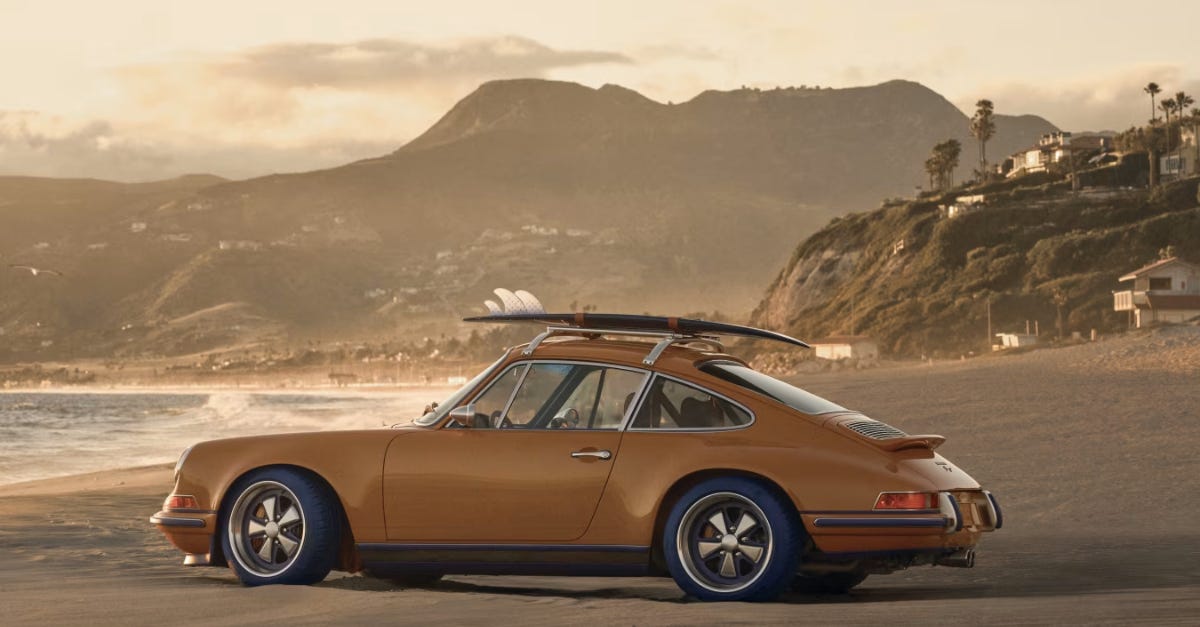
What’s happening: Louis Vuitton has collaborated with Singer to create two reimagined vintage Porsche 911s, unveiled during Monterey Car Week. The project reportedly began when Singer approached the house about creating a dashboard clock and evolved into a coupe and cabriolet incorporating Louis Vuitton codes throughout their interiors. The coupe uses the house’s monogram flower, malletage quilting and leather edge-dyeing techniques, while the cabriolet references the Noé bag and Tambour watches through subtler details. Neither company disclosed pricing, although comparable Singer commissions can reach around $2 million.
TLDR:
Louis Vuitton and Singer have collaborated on two reimagined Porsche 911s.
The partnership extends beyond branding into materials, techniques and product design.
Louis Vuitton’s malletage quilting, leather finishing and monogram motifs have been translated into the cars.
Details from the Noé bag and Tambour watches appear throughout the cabriolet.
The collaboration positions automotive design as another canvas for luxury-house codes.
Why it matters: Luxury brands are increasingly treating their creative language as intellectual property that can travel across categories. Louis Vuitton does not need to become an automotive manufacturer for cars to become part of its universe; what matters is whether its codes remain recognisable and desirable when translated into another object. That creates new cultural territory without diluting the core fashion business and places luxury houses closer to the worlds of collecting, mobility and high-value experiences.
2. CREATORS, ENTERTAINMENT AND INSTITUTIONAL RECOGNITION
YouTube brings creator premieres to TIFF.
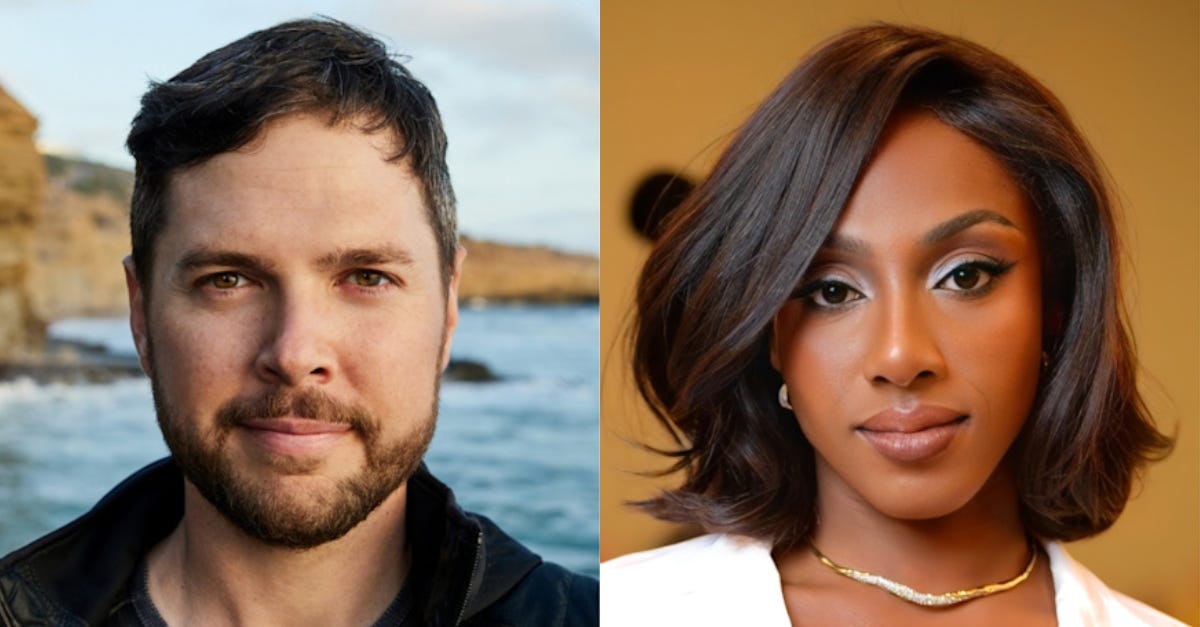
What’s happening: YouTube and Variety are launching an inaugural Creator Festival at the Toronto International Film Festival on 10 September, bringing creator-led programming into TIFF: The Market. Mark Vins of Brave Wilderness will premiere the feature-length documentary Reef to Ridge, following an expedition through the Galápagos. At the same time, Ziwe will debut two new episodes of You’d Be an Iconic Guest. Both projects will then become exclusive to YouTube, positioning creator-native programming alongside the industry showcase traditionally associated with film studios, broadcasters and streaming platforms.
TLDR:
YouTube and Variety are launching an inaugural Creator Festival at TIFF.
The event will take place on 10 September as part of TIFF: The Market.
Mark Vins will premiere his feature-length documentary Reef to Ridge.
Ziwe will screen two new episodes of You’d Be an Iconic Guest.
Both projects will later be available exclusively on YouTube.
Why it matters: The creator economy is entering a new stage of institutional legitimacy. A TIFF premiere reframes creator content from platform-native entertainment into work that can participate in the same prestige ecosystem as film and television. At the same time, YouTube gains a route to position its creators as entertainment franchises rather than channels. For brands, agencies and investors, the distinction between creator, production company and media property is becoming increasingly difficult to maintain.
3. SPORTS, CAPITAL AND CULTURAL ASSETS
Josh Kushner and Bob Iger acquire LA Lakers for $12.5 billion.
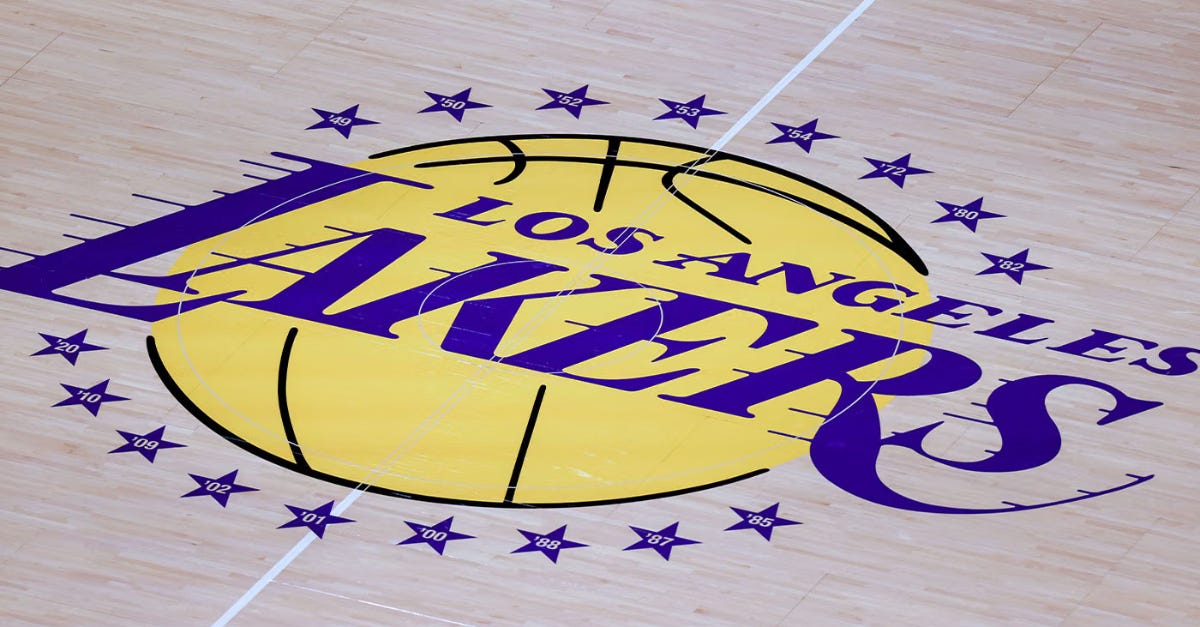
What’s happening: Josh Kushner and Bob Iger are set to acquire the Los Angeles Lakers at a valuation of $12.5 billion, which would make the transaction the largest sale of a professional sports franchise to date. The pair pivoted from earlier involvement in potential NBA expansion in Las Vegas to an offer for the Lakers. However, the transaction still requires approval from the NBA Board of Governors. The deal brings together Kushner’s investment background through Thrive Capital and Iger’s decades of experience building global entertainment franchises, placing one of sport’s most culturally powerful brands under owners with deep expertise in capital, media and intellectual property.
TLDR:
The Lakers are being acquired at a record valuation of $12.5 billion.
The transaction would set a new benchmark for professional sports-franchise sales.
Josh Kushner brings venture-capital and technology investing experience through Thrive Capital.
Bob Iger brings decades of entertainment, media and franchise-building experience.
The deal remains subject to approval from the NBA Board of Governors.
Why it matters: Sports franchises increasingly look less like teams and more like scarce global media and cultural assets. Their value spans live entertainment, intellectual property, sponsorship, merchandise, hospitality, content, and communities that can span generations. Bringing an investor synonymous with technology capital together with an executive synonymous with franchise-building is therefore notable: the opportunity around the Lakers extends far beyond basketball performance.
4. AI, FASHION AND CONSUMER INNOVATION
China’s AI revolution is moving into fashion and beauty.
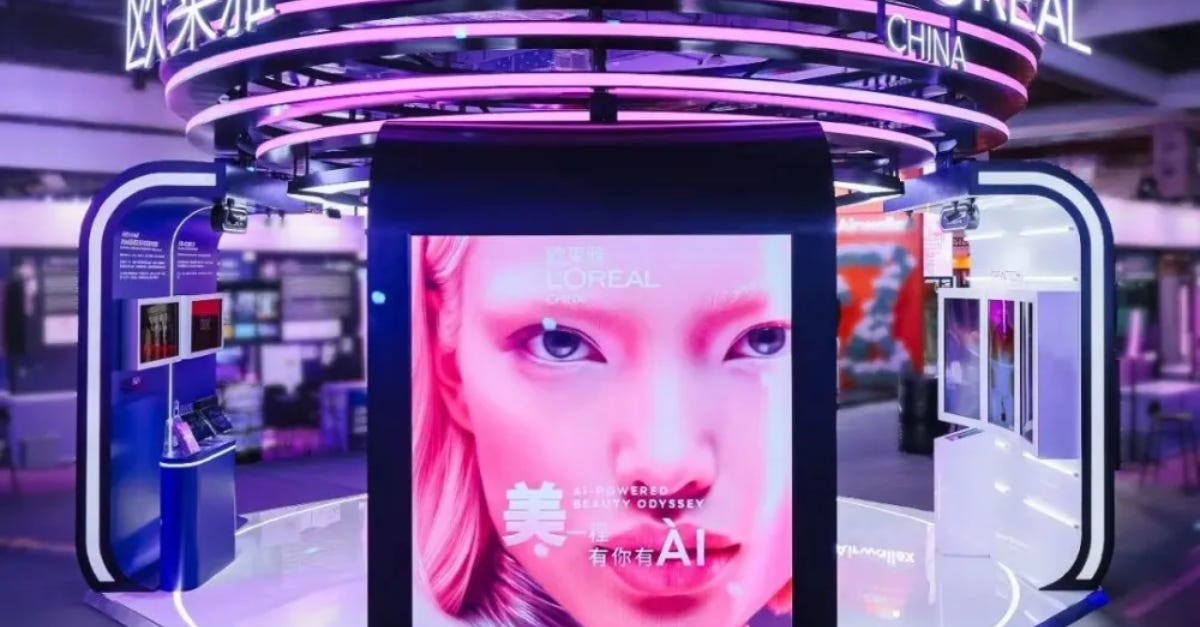
What’s happening: The 2026 World Artificial Intelligence Conference in Shanghai showed how quickly China’s AI ecosystem is moving from experimental technology into consumer-facing applications. Fashion and beauty were increasingly visible across the event, from AI glasses and virtual try-on to AI-powered beauty experiences, with L’Oréal China among the companies demonstrating how the technology can become part of everyday consumer journeys. The significance lies less in any single product than in the breadth of deployment: AI is beginning to span discovery, consultation, personalisation, and physical interaction rather than remaining confined to software interfaces.
TLDR:
WAIC 2026 showed AI moving deeper into consumer categories including fashion and beauty.
AI glasses are emerging as another interface for accessing contextual information and services.
Beauty companies are exploring AI across consultation, personalisation and customer experience.
Virtual try-on continues to move closer to the purchasing journey rather than operating as a standalone novelty.
China is providing an early view of what consumer AI looks like when technology becomes embedded across multiple touchpoints.
Why it matters: The next phase of consumer AI is increasingly about integration rather than experimentation. Fashion and beauty are particularly important because purchasing decisions depend heavily on context, taste and personalisation, making them natural categories for multimodal AI. China’s ecosystem is demonstrating how quickly these capabilities can move from demonstration to deployment, creating expectations that consumers elsewhere may eventually bring to global brands.
5. CREATORS, MEDIA AND VERTICAL INTEGRATION
Creators are becoming the new media moguls.
What’s happening: The largest creator businesses are increasingly adopting the structure of diversified media companies. ADWEEK reports that U.S. brands are expected to spend at least $21 billion on creators in 2026, almost double the 2022 figure, while businesses such as MrBeast’s Beast Industries have expanded far beyond content into consumer goods, financial services, toys, branded entertainment and new media properties. MrBeast surpassed 500 million YouTube subscribers this year, while Beast Industries itself now employs around 750 people. Elsewhere, creators including Dhar Mann, Binging with Babish and CatGPT are building product, production and service businesses, as institutional capital begins to enter the category through vehicles such as CAA and Integrated Media Company’s $250 million creator investment fund.
TLDR:
U.S. creator marketing spend is expected to reach at least $21 billion in 2026.
MrBeast has surpassed 500 million YouTube subscribers.
Beast Industries now spans content, chocolate, toys, financial services and additional consumer businesses.
Leading creators are hiring experienced CEOs and executives to professionalise their operations.
CAA and Integrated Media Company have launched a $250 million fund targeting creator businesses.
Why it matters: The creator economy is shifting from monetising attention to owning the businesses built around it. The most sophisticated creators are using content as distribution infrastructure: audience creates demand, demand supports products and intellectual property, and diversification reduces dependence on any single platform or revenue stream. The challenge is organisational. Businesses built around a single individual carry concentrated reputational and operational risks, which explains the influx of professional management and institutional capital into the sector. The creators who endure are likely to be those who can convert personal influence into systems, brands, and intellectual property that can eventually operate beyond the person who created them.
The example of Louis Vuitton is interesting. In luxury marketing, a brand’s entire universe expands and evolves by integrating into another brand’s lifestyle, extending the experience into a seamless and authentic brand universe.